
Supplier compliance software
Your fall eSRS filing is due November 30. Is your certified subcontractor data defensible?
Two federal subcontracting filings at once. Supplier.io keeps your certified subcontractor data continuously maintained so your eSRS ISR and Annual SSR are filing-ready before the deadline.
Built for: pharma and life sciences, construction, manufacturing and defense primes, and any company holding federal contracts over $900,000.



















Stay ahead of compliance with real-time tracking of your suppliers and subcontractors
Suppliers in our database
Supplier insights
Trusted sources of supplier data


Most teams rebuild this filing from ERP exports and email chases every fall. The data window closes September 30 whether the record is ready or not. Be ready.
Get the eSRS Guide


HOW SUPPLIER.IO HANDLES YOUR SUBCONTRACTOR REPORTING
Get filing-ready subcontractor data with a lot less work
Automated collection from your primes
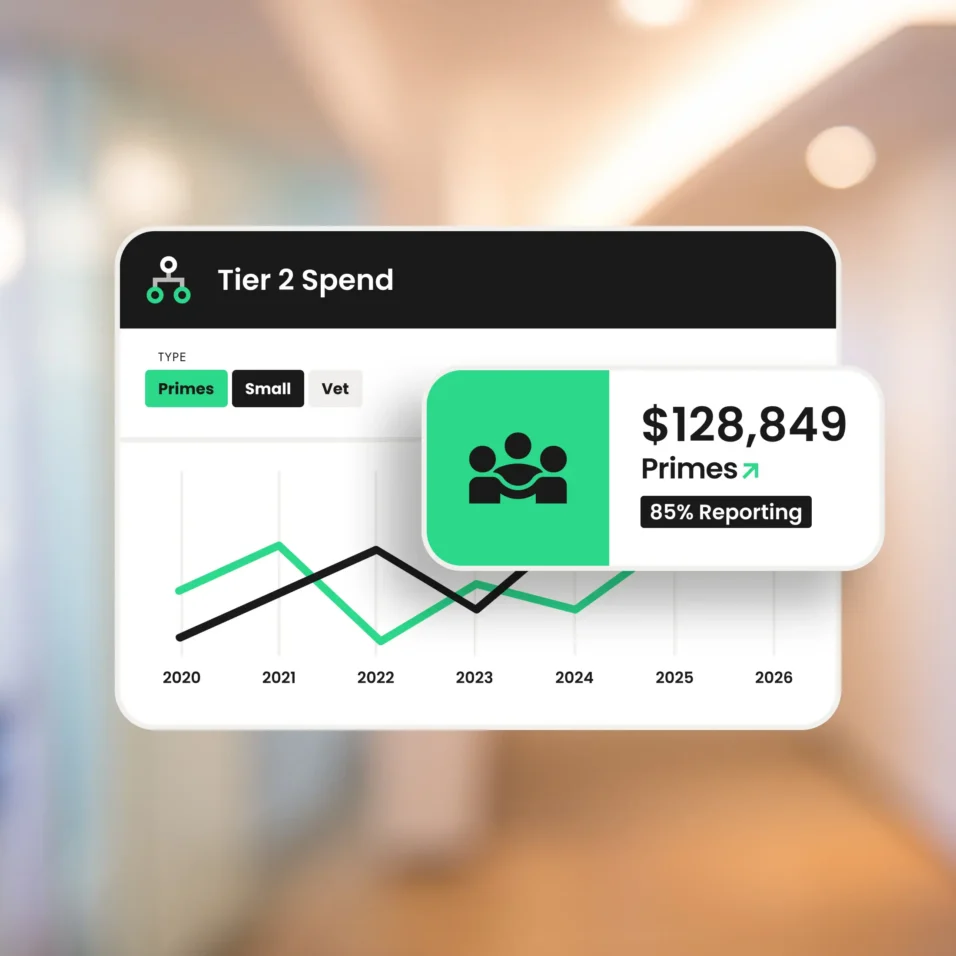
Tier 2 Reporting sends automated data requests to your primes every time a reporting period opens. Submissions come through a standardized portal that takes most primes about ten minutes.
Verified against the Supplier.io database
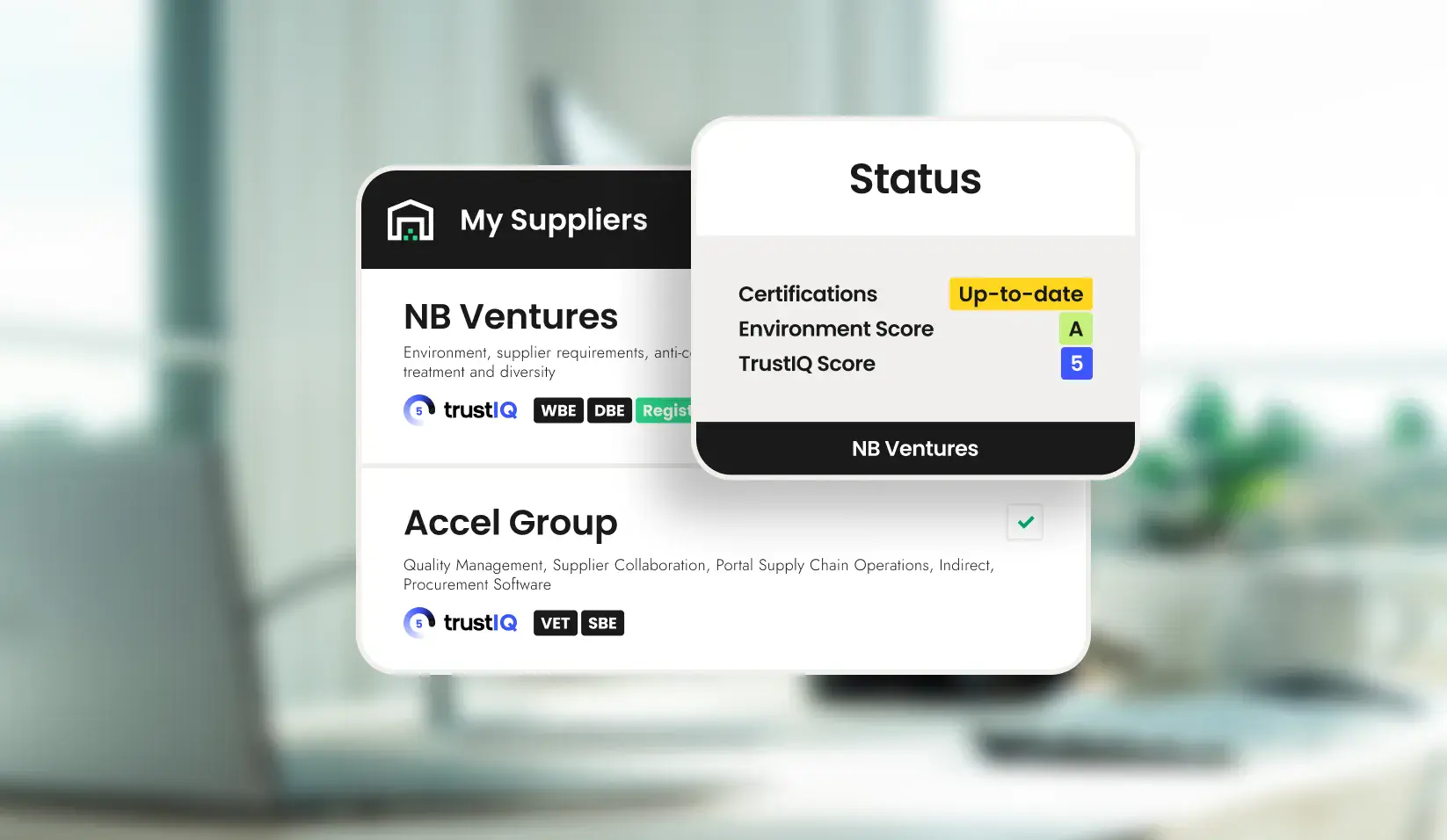
Verification is built into the platform: certifications for every supplier your primes report by name are automatically checked against the Supplier.io database of 20M+ suppliers from 450+ authoritative sources. Expired or unmatched certifications are flagged.
Filing-ready output from one record
eSRS ISR and Annual SSR formatted output is generated automatically from the maintained record. Your compliance team reviews a filing, not builds one.
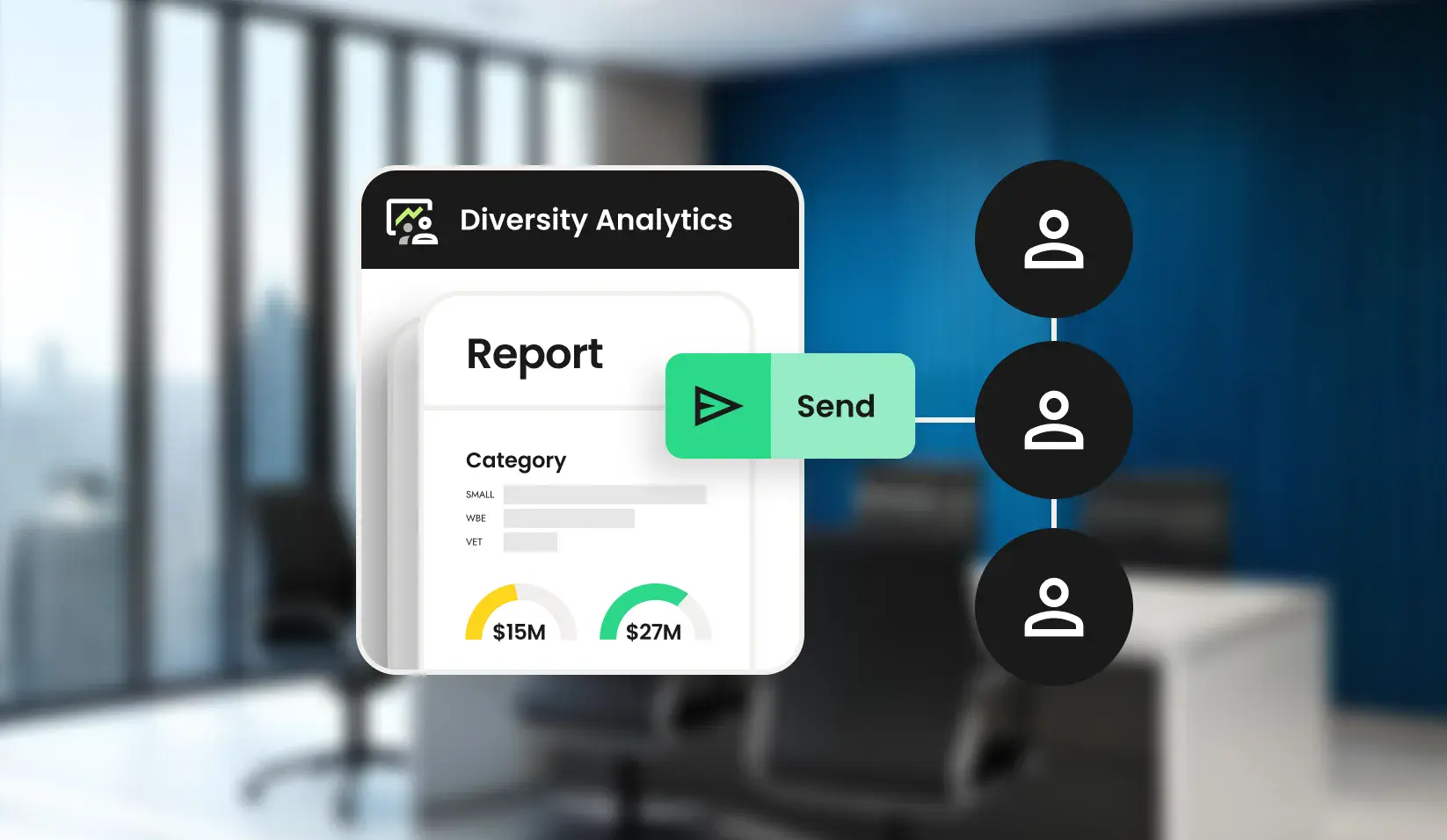
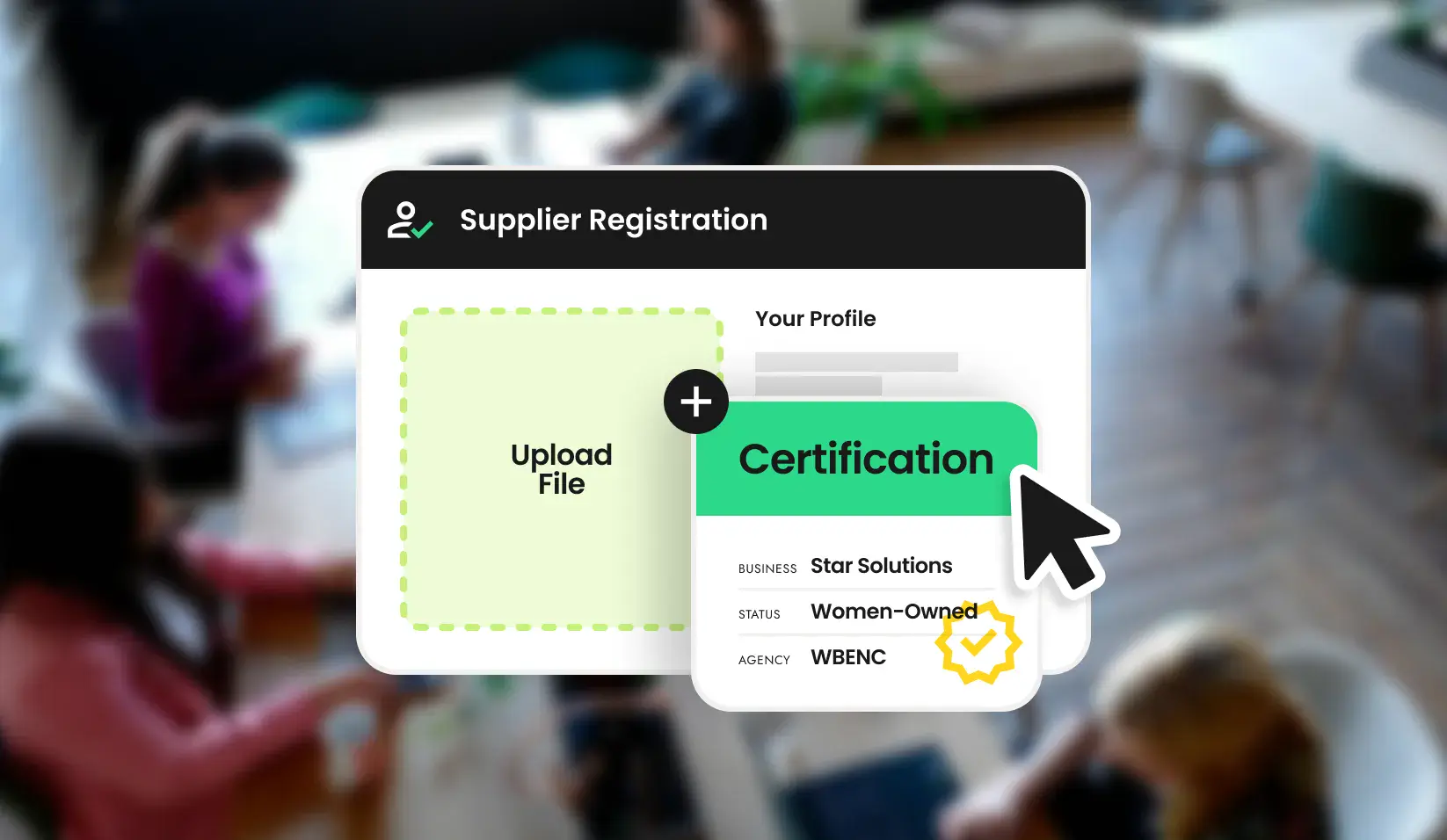
Operating a Compliant Supplier Diversity Program
How to Keep Your Program Effective and Defensible in 2026
Join us on-demand for a practical conversation on what it means to run a compliant supplier diversity program today across language, processes, and reporting.

Frequently asked questions
Details about supplier compliance software
Who is required to file eSRS?
Federal prime contractors and subcontractors with contracts over $900,000 (or $2 million for construction) that contain a FAR 52.219-9 subcontracting plan. The eSRS system is the SBA’s online reporting portal. The Fall ISR covers April 1 through September 30 and is due November 30.
What is the difference between the ISR and the SSR?
The Individual Subcontracting Report (ISR) is filed twice annually and covers a specific contract or order. The Summary Subcontracting Report (SSR) is an annual report covering all contracts under a single plan. Both are due November 30 for the fall cycle.
What makes a subcontractor certification defensible?
A contracting officer reviewing eSRS compliance may request documentation showing that certification status was verified, not just reported. Supplier.io verifies every certification against the issuing body in real time, creating a continuously maintained audit trail rather than a reconstructed one.
Why does the data collection period matter?
The Fall ISR covers the period April 1 through September 30. Data collection should happen throughout that window, not in October under deadline pressure. Certifications that expire in July and are not caught until filing time create defensibility gaps.
How long does implementation take?
Standard onboarding is 60 days. For a November 30 filing, the last viable start date is late September. Teams that begin in October are typically reconstructing data under deadline pressure rather than reviewing a continuously maintained record.




Speak with an expert on supplier intelligence
Take your procurement program to the next level with industry-leading data, software, and best practices.